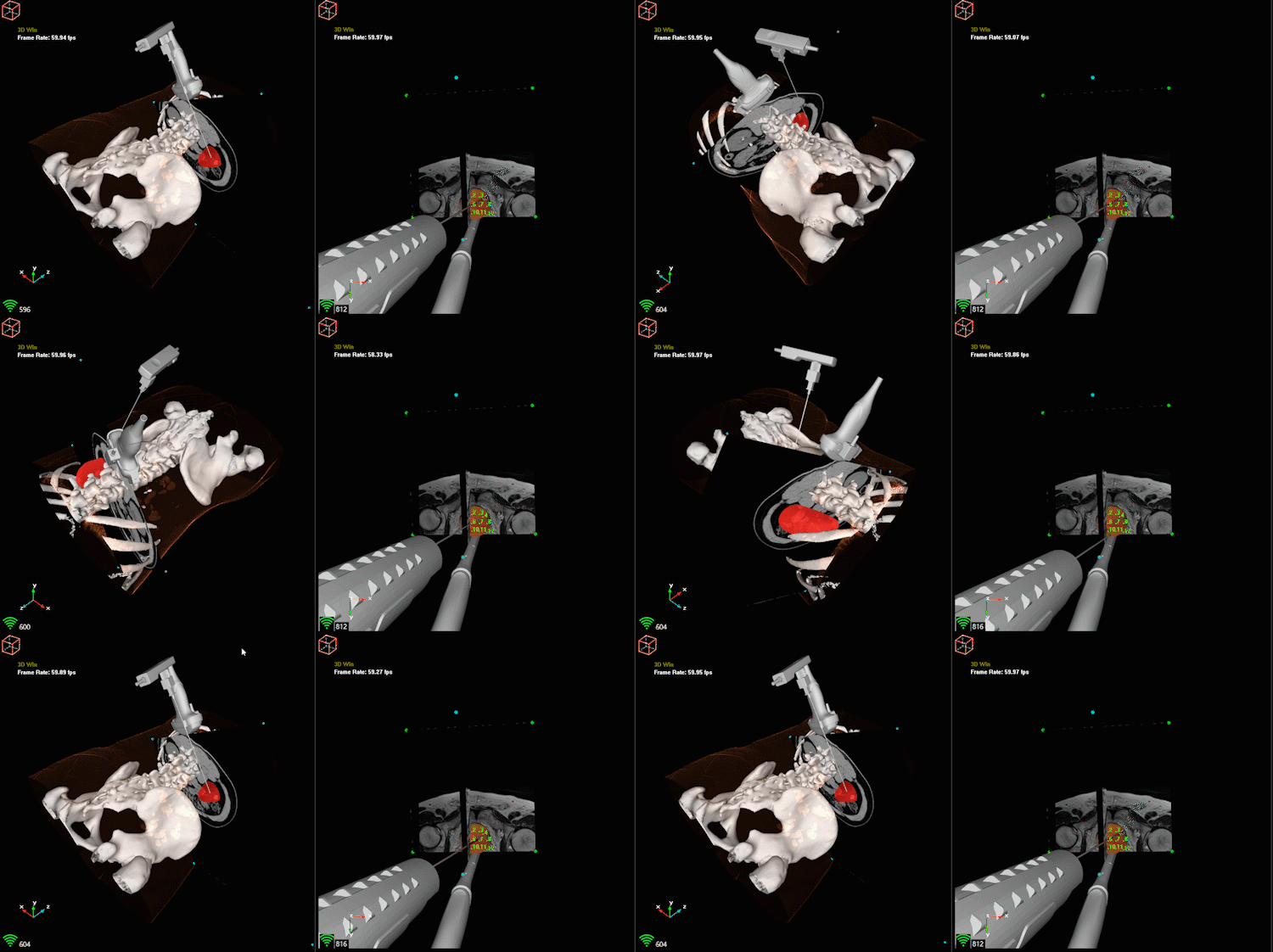

The multimodal image‑fusion ultrasound system is a cutting‑edge medical imaging device that integrates and outputs imaging information from different modalities (ultrasound, CT, MRI, etc.) via image fusion technology. Compared with conventional ultrasound systems, it not only improves diagnostic sensitivity and specificity, but also delivers more intuitive and three‑dimensional views of lesions for clinical diagnosis. Nevertheless, to guarantee stable operation of this sophisticated ultrasound system, the host control platform supporting the system must deliver superior performance.
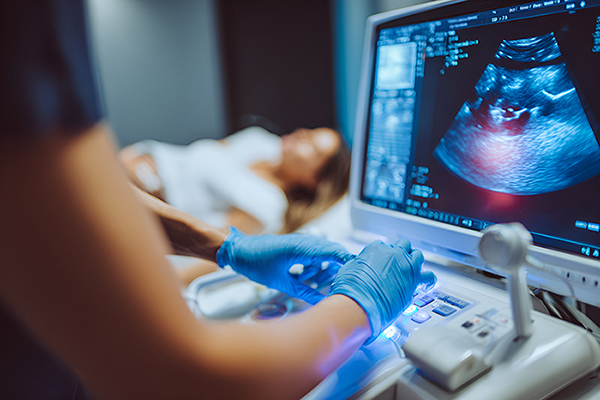
Customer Application Requirements
As clinical demands keep growing, the market for multimodal image‑fusion ultrasound systems continues to expand. Numerous domestic ultrasound manufacturers are searching for suitable hardware platforms to run their multimodal image‑fusion ultrasound systems. Faced with real‑world pain points of such systems in clinical use, a well‑known domestic ultrasound equipment manufacturer turned to ZRT Zhiruiton, expecting a high‑performance AI hardware platform for its multimodal image‑fusion ultrasound system.
The platform shall fully support system operation and meet the following key requirements:
Image Display Capability:It shall feature powerful image display capability to guarantee sharp ultrasound images and deliver fine‑grained, clear visuals for physicians.
Computing Capability:It requires powerful computing performance to process massive volumes of multimodal imaging data and achieve fast, precise image fusion.
Stability:It requires the AI hardware platform to deliver high stability and reliability. Given the sensitivity and importance of medical imaging data, this capability ensures accurate diagnostic results and patient safety.
ZRT Solution
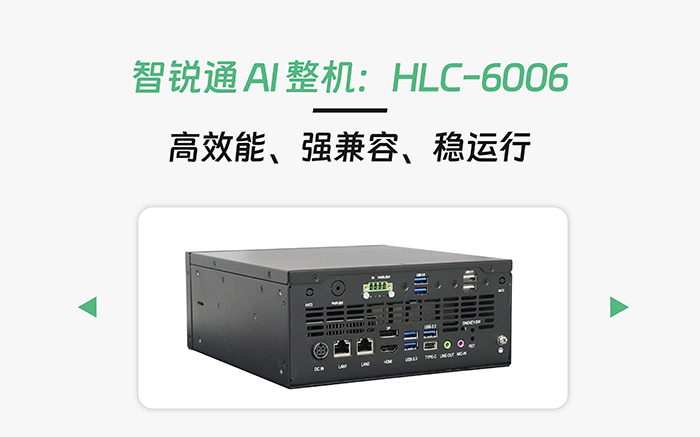
Based on the customer’s specific requirements, ZRT Zhiruiton custom-developed the HLC-6006 AI all-in-one unit for its multimodal image-fusion ultrasound system. Powered by a low-power Intel Tiger Lake-H series processor, this unit adopts a dual-channel DDR4 memory design with up to 64GB capacity. It also supports dual M.2 solid-state drives and swappable MXM discrete graphics cards. Equipped with abundant interfaces, it fully meets the high performance requirements of the customer’s ultrasound system.
Practical Application Results
Significantly‑improved image clarity: Equipped with advanced graphics processing technology, the HLC‑6006 greatly enhances ultrasound image definition. It prevents image distortion during transmission and processing, providing physicians with finer and sharper images.
Significantly‑improved image fusion efficiency: With the HLC‑6006 all‑in‑one unit deployed, the multimodal image‑fusion ultrasound system achieves a substantial boost in image fusion efficiency. Physicians can obtain fused images in less time, improving both diagnostic efficiency and accuracy.
Reliable overall system performance: The HLC‑6006 all‑in‑one unit delivers outstanding performance under high‑stress operating conditions. Featuring robust system stability, fast processing speed and excellent compatibility, it provides physicians with a more secure and efficient diagnostic environment.