Solution Highlights
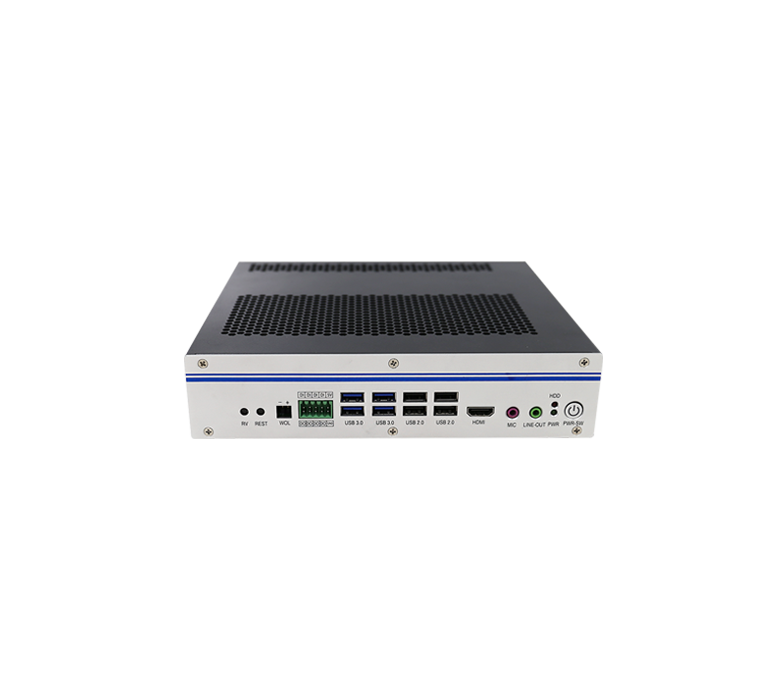
1. Powerful Intel processors drive vision applications. The platform supports 11th Gen Tiger Lake-H and Coffee Lake-S processors. Furthermore, industrial-grade PCH chipsets ensure reliable operation in harsh environments. The system accommodates up to 64GB DDR4 memory. This capacity handles multiple video streams simultaneously. Additionally, the flexible processor selection lets customers optimize performance for specific vision tasks.
2. Full NVIDIA GPU compatibility maximizes processing power. The system supports RTX 40 series, Ampere A/30 series, and Turing cards. High-end configurations include RTX 3080 and A4500 graphics cards. GPU acceleration transforms image processing speed. Deep learning inference happens in real time without bottlenecks. Furthermore, AI analysis keeps pace with high-speed production lines. Manufacturers catch defects instantly instead of after shipment.
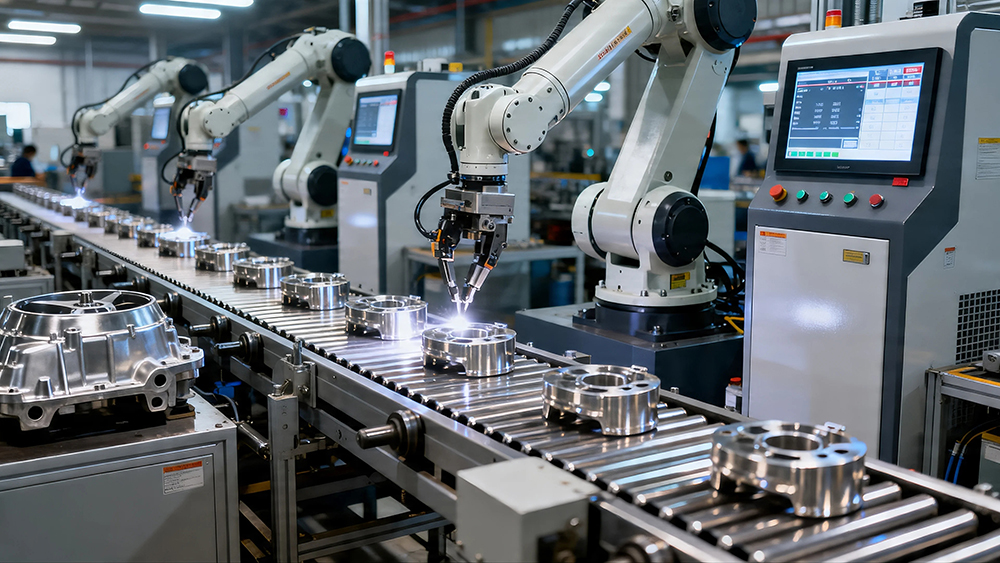
3. Real-time AI analysis transforms quality inspection. GPU heterogeneous computing processes multiple camera feeds simultaneously. Millisecond-level defect detection prevents faulty products from advancing. The system also tracks objects and analyzes behaviors automatically. High-speed production lines benefit from this instant analysis. Moreover, manufacturers reduce waste and improve product quality without slowing down operations.
4. Advanced thermal design handles extreme workloads. Pure copper modules transfer heat efficiently from processors. Multi-fin heatsinks and dual ball-bearing fans dissipate up to 45W CPU plus 120W GPU thermal loads. This cooling capacity ensures sustained performance under full load. Factories can run inspection systems 24/7 without overheating. Furthermore, industrial-grade reliability means fewer shutdowns and higher productivity.
Application Scenarios
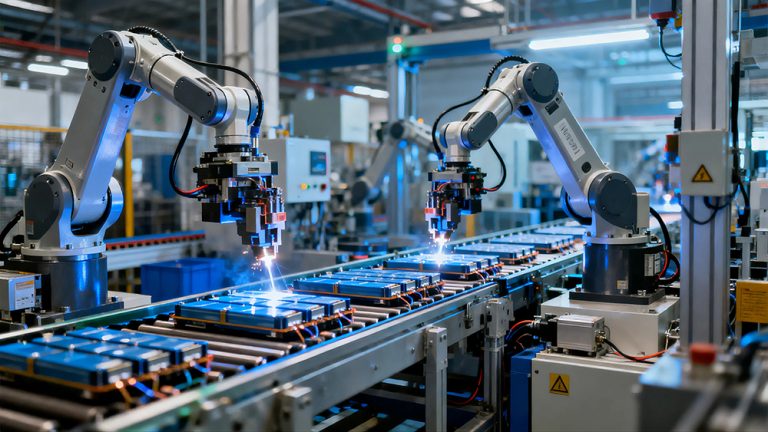
Machine vision applications span multiple industries. Production line inspection systems detect defects automatically. Medical digital imaging equipment processes X-rays and remote robotic surgery feeds. Mobile and fixed medical diagnostic devices gain AI capabilities. Ruggedized terminals withstand vehicle, marine, and outdoor conditions. Furthermore, portable rounds inspection terminals help doctors at the bedside. Vehicle-road collaborative edge nodes also leverage this computing platform.