Solutions Highlights
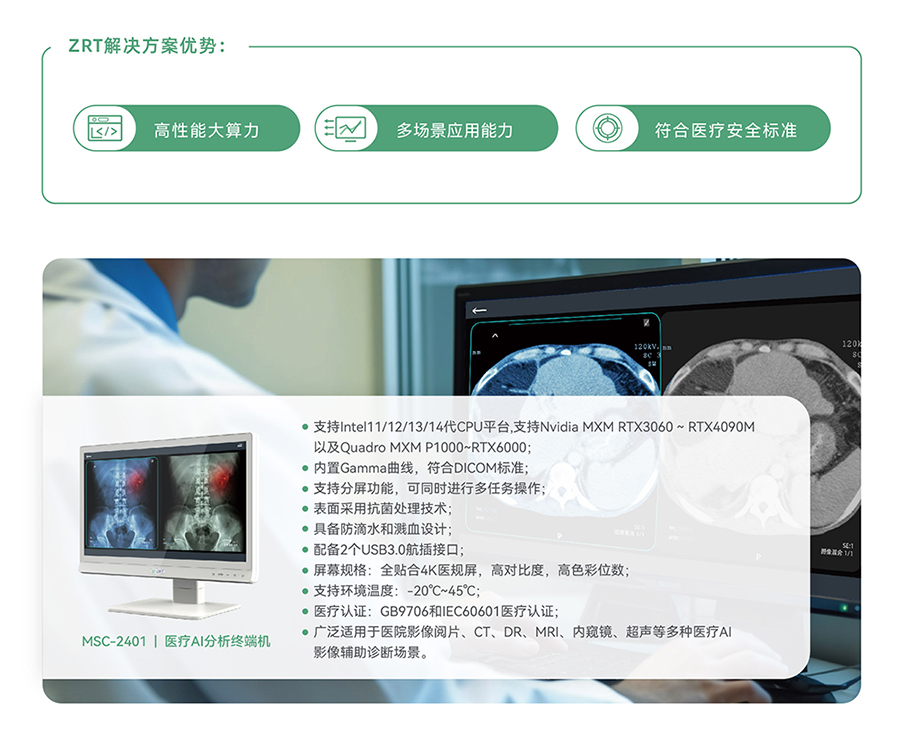
1.Dual-mode operation transforms clinical workstations. Physicians switch between office tasks and medical image reading instantly. One machine handles medical records, system operations, and remote consultations. The same device also serves professional image review needs. Furthermore, clinical departments outside radiology gain professional-grade viewing capabilities. This integration eliminates the need for separate workstations. Doctors save time and desk space every day.
2.Intel Tiger Lake-U processors balance power and efficiency. The 11th Gen Core platform handles demanding medical applications smoothly. Meanwhile, low power consumption reduces heat generation and energy costs. Hospitals benefit from cooler, quieter operation. The energy-efficient design supports green healthcare initiatives. Additionally, reduced thermal output extends hardware lifespan for better return on investment.
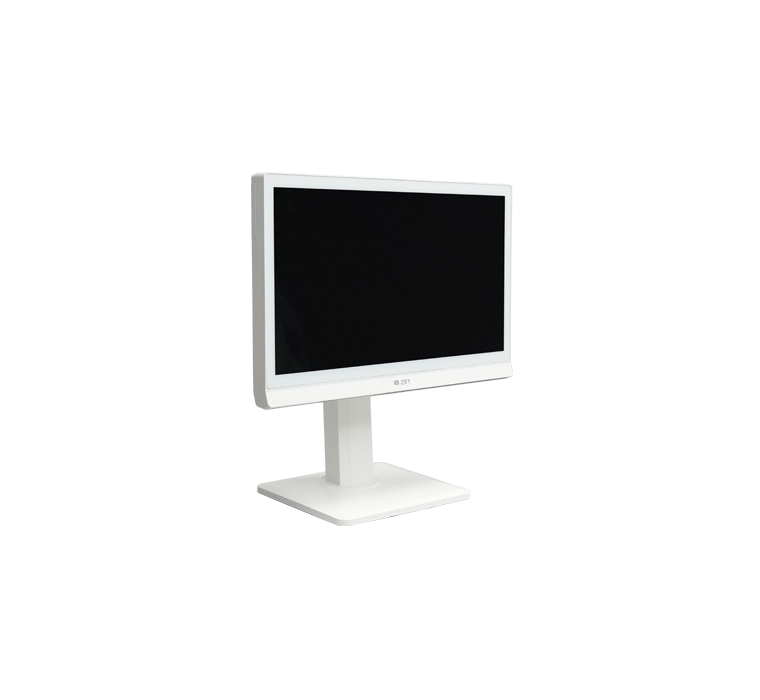
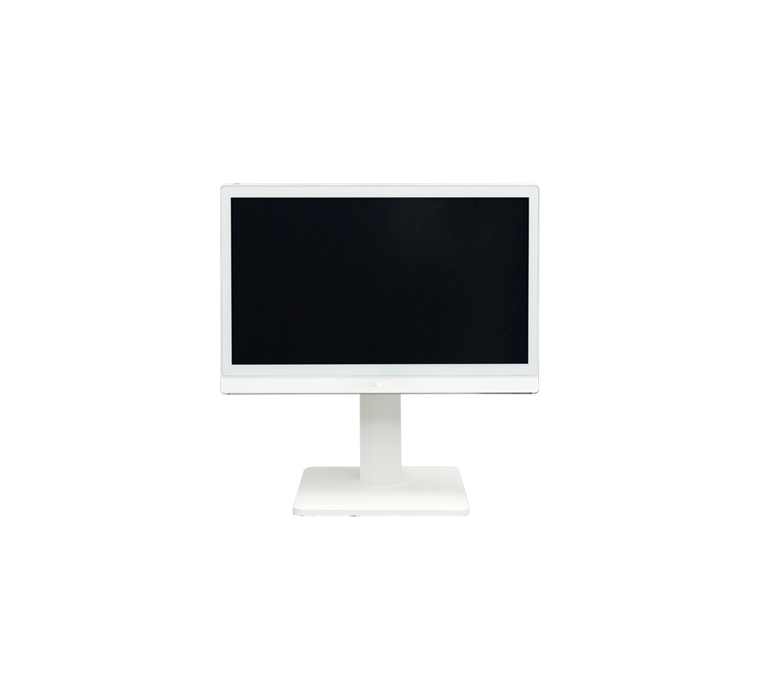
3.Crystal-clear display technology enhances diagnostic confidence. The 21.5-inch FHD panel delivers 1920×1080 resolution. Furthermore, 400-nit brightness ensures visibility in any clinical lighting condition. High contrast ratios reveal subtle diagnostic details. DICOM calibration maintains color accuracy for medical images. Consequently, physicians can trust what they see on screen during critical diagnostic reviews.
4.Most hospitals still use standard displays in examination rooms. Upgrading to AI analysis terminals brings immediate benefits. Diagnostic accuracy improves while operational costs decrease. Hospitals achieve better outcomes with fewer resources. Large-scale adoption of AI terminals would transform medical display technology. Moreover, this upgrade opportunity represents significant growth potential for the entire medical display industry. ZRT continues innovating at the intersection of AI and medical imaging. The company invites healthcare institutions to experience this technology firsthand. Contact ZRT today to learn how AI analysis terminals can upgrade your clinical capabilities.