

In precision-sensitive minimally invasive surgical scenarios, real-time image synchronization and accurate energy control directly determine clinical treatment results and patient safety. Traditional ablation workflows require clinicians to frequently toggle between imaging and ablation devices and cross-reference multi-system data. Such disjointed operations not only reduce surgical efficiency but also raise operational complexity and potential clinical risks.
How to optimize clinical workflows, enable intelligent medical imaging, and improve minimally invasive surgical safety?
A leading domestic medical device manufacturer delivers a targeted solution by integrating image navigation and ablation therapy to develop a new-generation intelligent all-in-one ablation system.
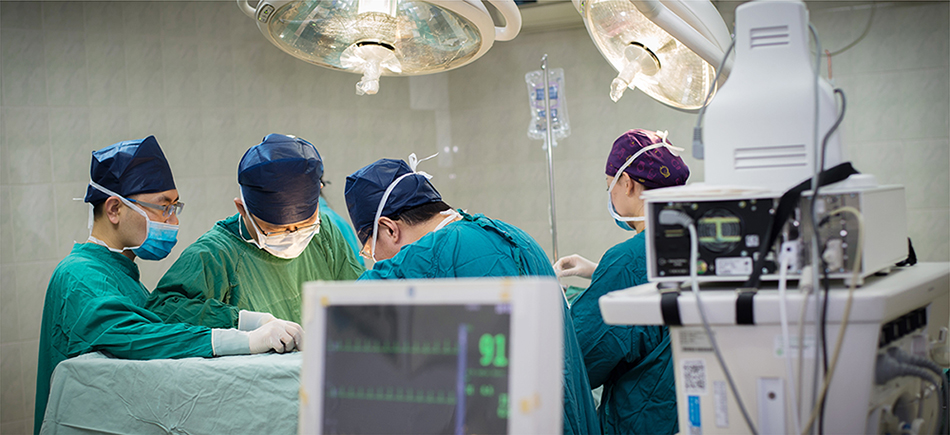
I. Practical Challenges of Traditional Modular Separate Devices in Surgical Procedures
- Cumbersome Device Coordination: Imaging and ablation systems function as independent units with dispersed operator interfaces, disrupting surgical workflow continuity.
- Data Desynchronization: Latency occurs between image navigation and surgical execution, degrading spatial positioning accuracy during procedures.
- Large‑space footprint: Multiple devices and numerous cables occupy valuable operating‑room space and hinder staff workflow.
- Complicated System Integration: Inconsistent interface specifications and communication protocols among multi-brand devices greatly hinder system upgrades and functional expansion.
The integrated design is precisely intended to break through these bottlenecks and achieve:
- Real-time image guidance enables fully visualized and precisely controllable surgical procedures.
- A unified human-machine interface significantly boosts surgical efficiency and optimizes the clinical operating experience.
- A highly‑integrated system lowers equipment complexity and cuts overall maintenance costs.
II. Solution Selection: Empowering Clinical Systems Through True Integration
During the R&D phase of the integrated clinical system, the manufacturer established stringent technical requirements for the core control hardware platform.
- Adopt a highly integrated architecture to minimize internal wiring and external interface occupancy.
- Provide robust real-time computing performance to support simultaneous image processing and surgical therapy control.
- Ensure long-term operational stability to sustain extended, continuous surgical operations.
- Preserve excellent system expandability and compatibility to support diverse imaging probes and ablation instruments.
Among various hardware options, the manufacturer ultimately selected the ECM-C132 COM‑Express core module as the computing intelligence hub for the integrated medical device.
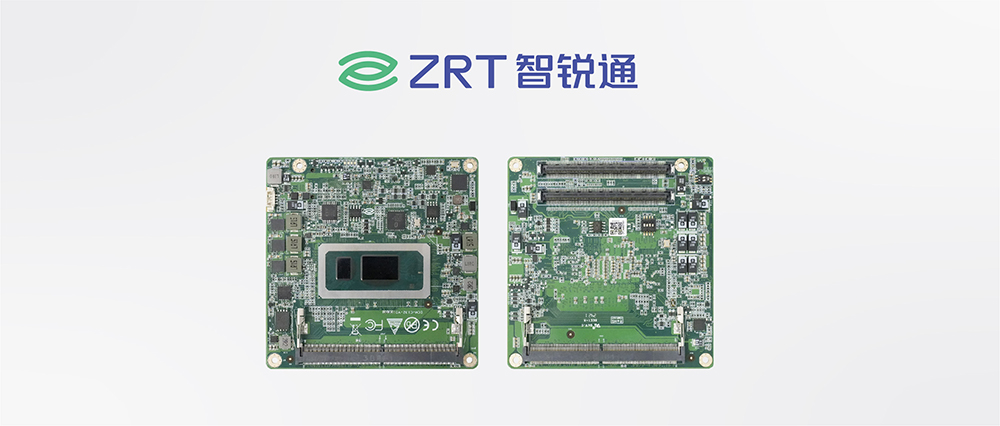
III. Integrated Convergence:How ECM-C132 Enables “Precision Without Boundaries”?
1. Highly Integrated Architecture
The core module consolidates diverse interfaces and high‑speed data‑processing units, significantly streamlining internal wiring while delivering unified task scheduling and real‑time synchronization for imaging and surgical therapy data.
2.Robust and Reliable Computing Performance
Equipped with a high‑performance processor, it effortlessly handles intra‑operative real‑time image analysis, path planning and energy control, ensuring zero‑latency system response and accurate therapy execution.
3. Medical‑Grade Reliability Assurance
Industrial‑grade hardware design and rigorous testing procedures enable consistent and stable device operation during lengthy surgical procedures, greatly reducing the risk of malfunctions.
Flexible and Scalable Architecture
Modular design supports a variety of imaging interfaces and therapy protocols, facilitating future feature upgrades and equipment iterations.
IV. Practical Outcomes: From “Separate Collaboration” to “Seamless Integration”
The ablation all‑in‑one device equipped with the ECM-C132 has demonstrated remarkable advantages in real‑world clinical practice:
- Streamlined surgical workflow: Physicians can complete image review and ablation operations within a single interface.
- Improved treatment accuracy: Real‑time image navigation delivers better‑controlled and safer ablation zones.
- Stable and reliable system: Uninterrupted performance during prolonged surgeries ensures efficient operating‑room operations.
- Stable and reliable system: Uninterrupted performance during prolonged surgeries ensures efficient operating‑room operations.
V. Smart Healthcare, Reflected in Subtle Details
The ablation all-in-one device represents not only hardware integration, but also a perfect combination of clinical thinking and engineering wisdom. It embodies the core development direction of modern medical equipment: clinically oriented, the system architecture is designed based on real surgical scenarios; software and hardware collaboration maximizes the performance of software functions through hardware empowerment; full-process empowerment delivers sustainable technical support and upgrade solutions from R&D to practical implementation.
As medical equipment advances toward intelligence, integration and humanization, in-depth technological integration empowers physicians and safeguards patients. Zhiruiton is willing to cooperate with more medical equipment partners. With cutting-edge technologies and high-quality products, we provide stronger support for clinical diagnosis and treatment, and illuminate the road to recovery for more patients through smart healthcare.